Smart Safety Equipment Subsidy 2026: What to Check
Updated
Korea's smart safety equipment subsidy accepts applications on a rolling basis in 2026. It covers up to 80% of the agency-assessed cost, capped at KRW 30 million per workplace. Each regional office closes applications once its funds run out.
This guide was written against the notices and Ministry of Employment and Labor announcements public as of July 13, 2026. The annual notice text governs eligibility and covered items. Always check the current notice before applying.
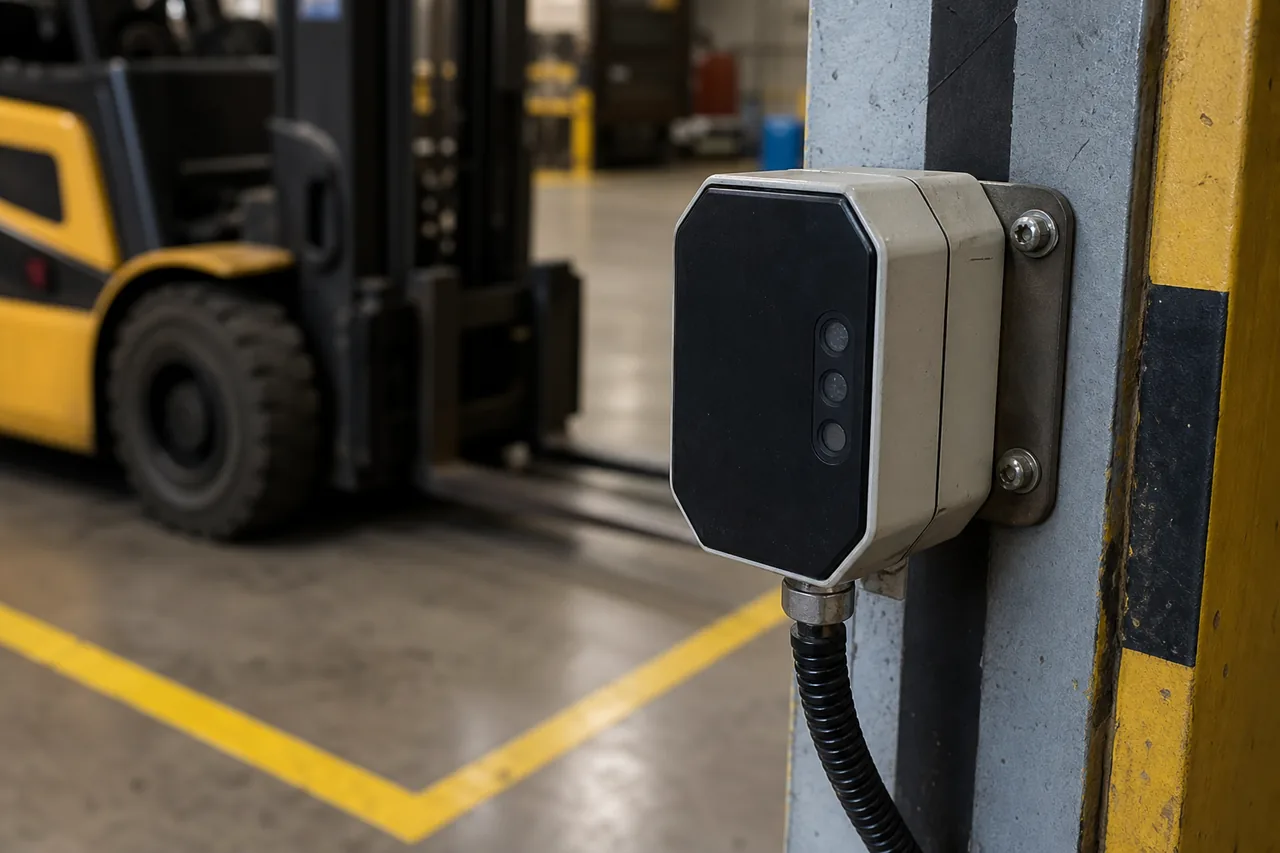
Illustrative smart-safety equipment. The device shown does not represent a specific product or a confirmed subsidy-eligible item.
Officially, the Safe Workplace Support program
The program launched in 2023 with a KRW 25 billion budget across 14 covered item types (MOEL press release), and the 2026 budget grew to KRW 37 billion (policy briefing). Its job is to lower the equipment cost barrier for small workplaces.
Eligibility and amounts

An illustrative small workplace. It does not show any specific company.
- Eligibility: workplaces with fewer than 50 regular workers, enrolled in industrial accident insurance with no unpaid premiums. At 50 or more, small-enterprise certification applies.
- Base support: up to 80% of the agency-assessed amount, capped at KRW 30 million per workplace.
- Add-ons: workplaces with employment growth or certified risk assessments can qualify for a higher ceiling. The notice text lists the items and amounts.
- Applications: through the Clean Workplace portal, rolling from January 2, 2026 until each regional office's funds run out.
Higher limits in some summaries combine base support with add-ons. The base cap is KRW 30 million, and additional support requires meeting separate conditions.
Covered items and the separate equipment-diagnostics program
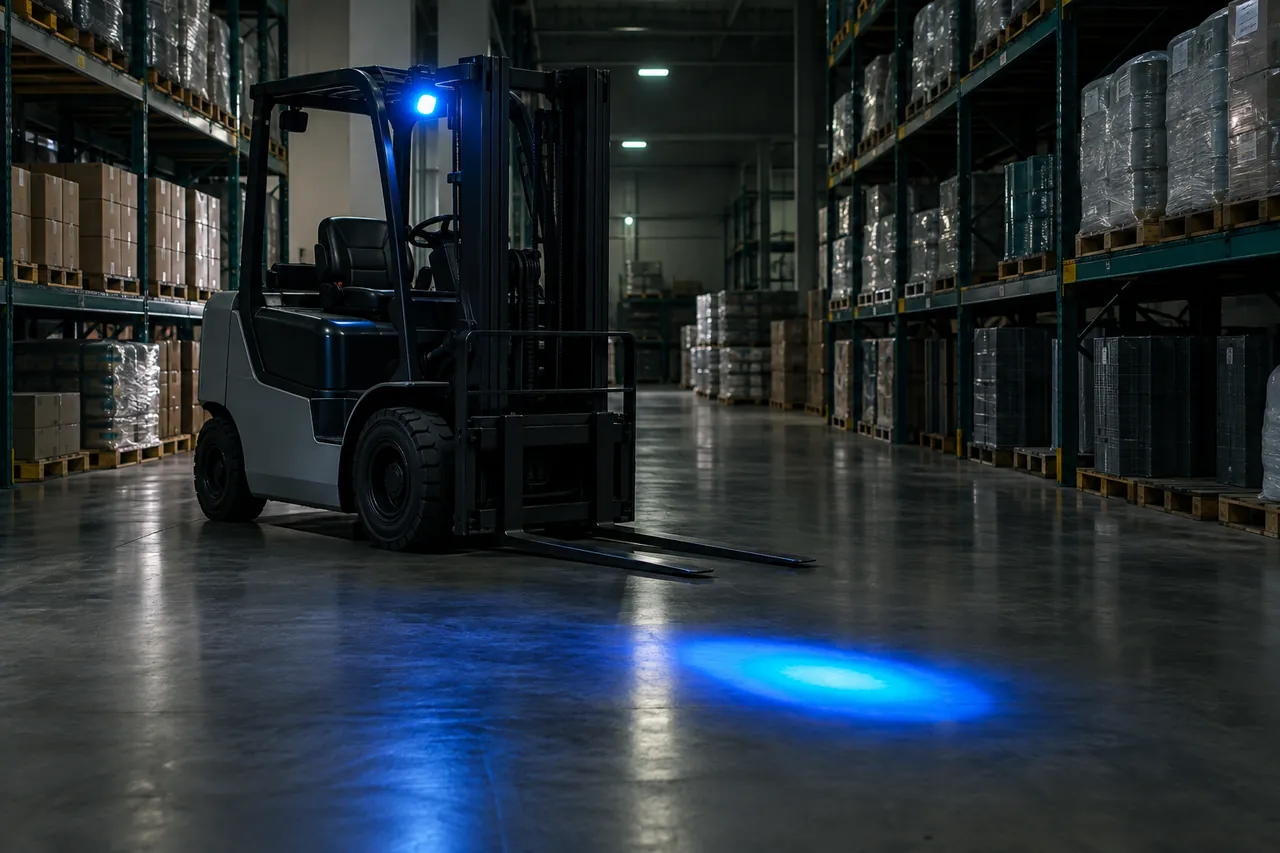
An illustrative forklift warning light. It does not represent a specific product or a confirmed subsidy-eligible item.
Covered items center on worker-protection equipment such as AI human-detection systems and forklift collision-prevention devices. There is no confirmed basis for machine-condition diagnostic equipment being covered, so do not assume this subsidy funds equipment diagnostics.
Equipment diagnostics has a separate funding track. The Ministry of SMEs and Startups' 2026 smart-manufacturing consolidated notice explicitly lists predictive maintenance in the AI-track smart factory program (MSS notice; applications via smart-factory.kr). Continuous equipment monitoring using sound, vibration, and environmental signals, such as XyloZero, is the type of tooling covered by that track. Review worker-protection equipment and equipment diagnostics under the program for each purpose.
From 2026, construction sites can recognize smart safety equipment purchase and rental costs at 100% within the statutory occupational safety and health management budget. Check the current ministry notice for caps and details.
Before you file
- Confirm industrial accident insurance enrollment and premium status.
- Match the equipment you plan to buy against the covered-item list in this year's notice.
- Support is based on the agency-assessed amount, so estimate the gap against your quote in advance.
- Check whether the add-on conditions (employment growth, certified risk assessment) apply to you.
- The window closes when funds run out, so have documents ready before you need them.
Workplaces under 50 workers can receive up to 80% of the assessed amount for worker-protection equipment within a KRW 30 million cap, with applications open while funds last. Equipment diagnostics and predictive maintenance belong to the separate smart-factory track. The notice text is available at the Clean Workplace portal and in the KOSHA notice.
Note 2 of 6, Condition-Based Maintenance: What to Decide First, covers how to decide on equipment diagnostics.