Blog
Practical Korean workplace safety guides with official sources, diagrams, field checklists, and uses for Xylolabs products.
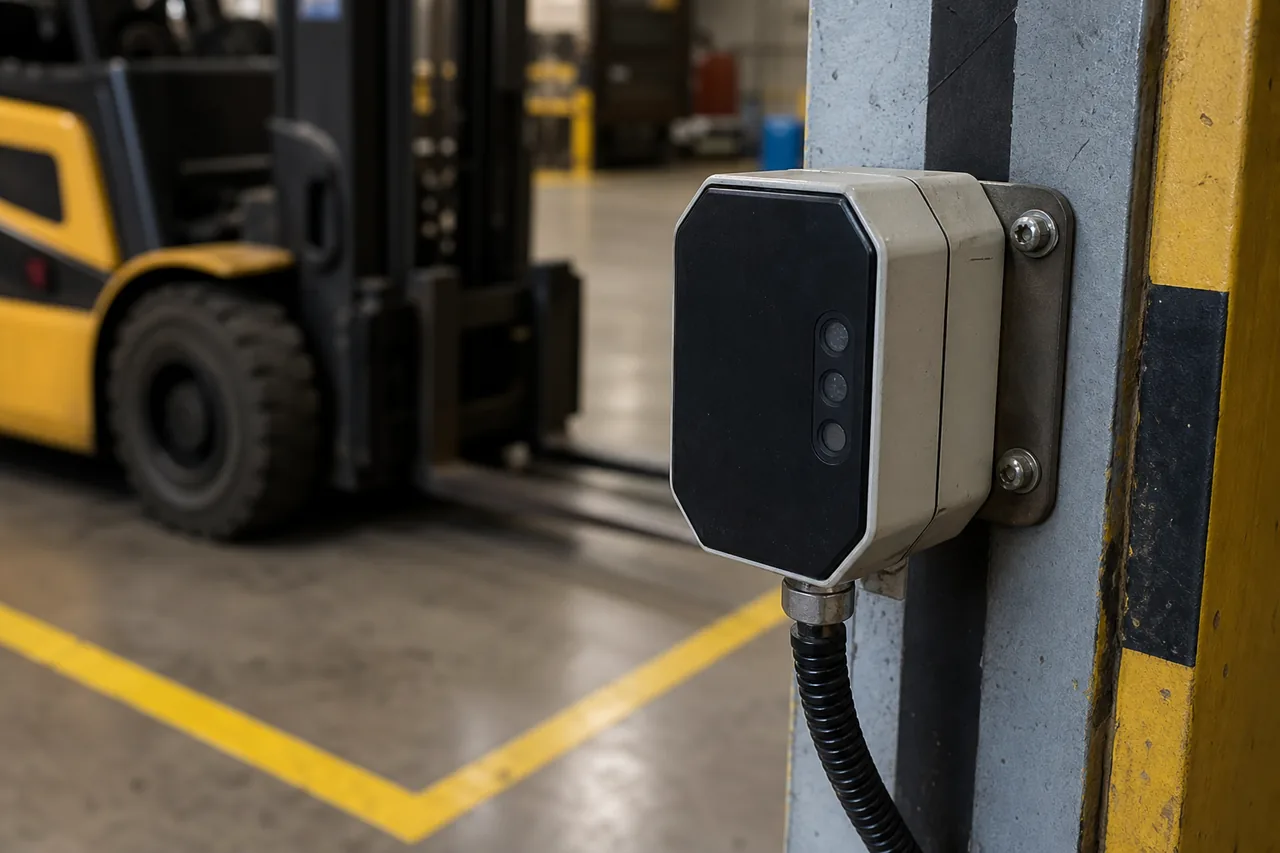
Workplace Safety Design: Forklift Lanes, Walkways
On September 10, 2026, Korea's Ministry of Employment and Labor (MOEL) and the Korea Occupational Safety and Health Agency (KOSHA) announced support for workplace safety design…
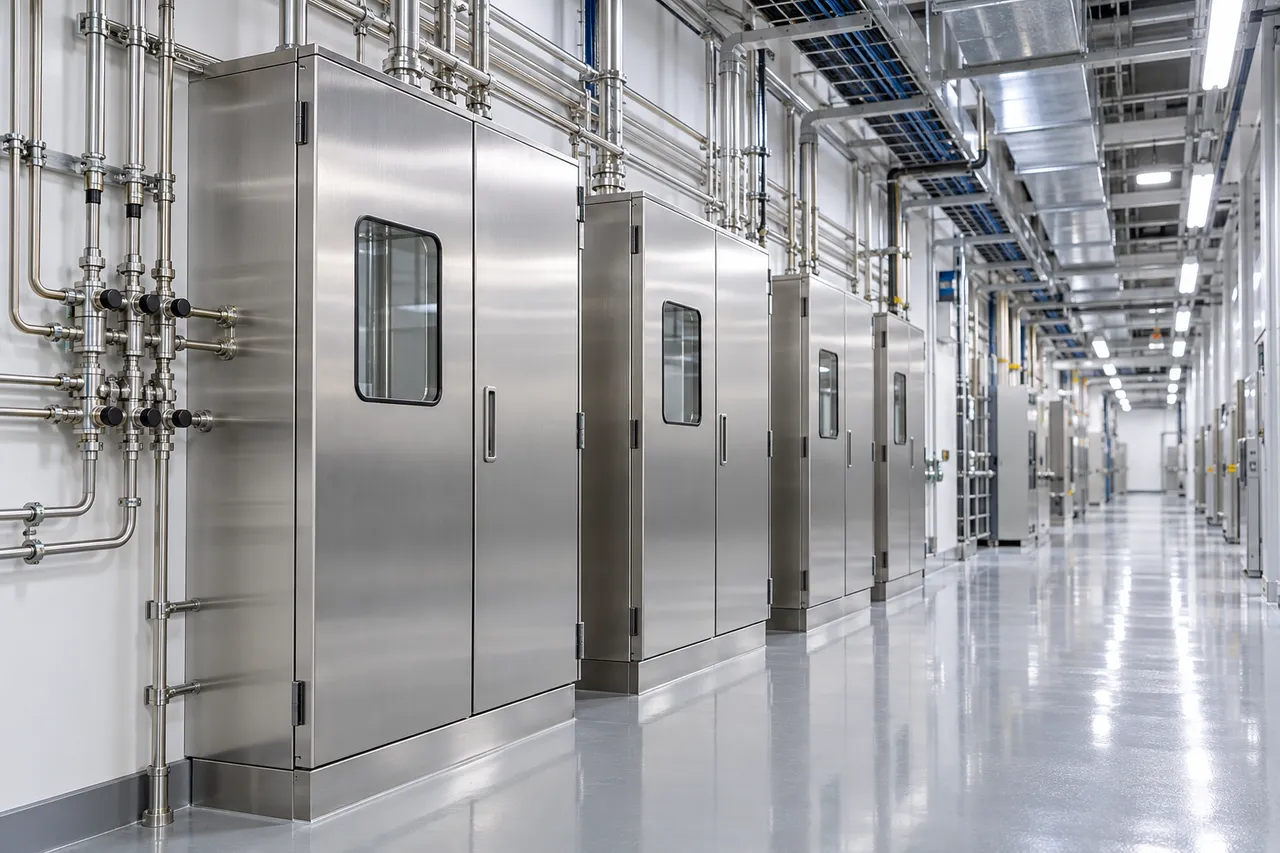
Semiconductor Plant Inspection: 338 Violations
On September 20, 2026, Korea's Ministry of Employment and Labor (MOEL) published the results of a focused inspection of 27 semiconductor manufacturing sites. The inspection found…
Korea's M.AX Manufacturing AI: Where to Start
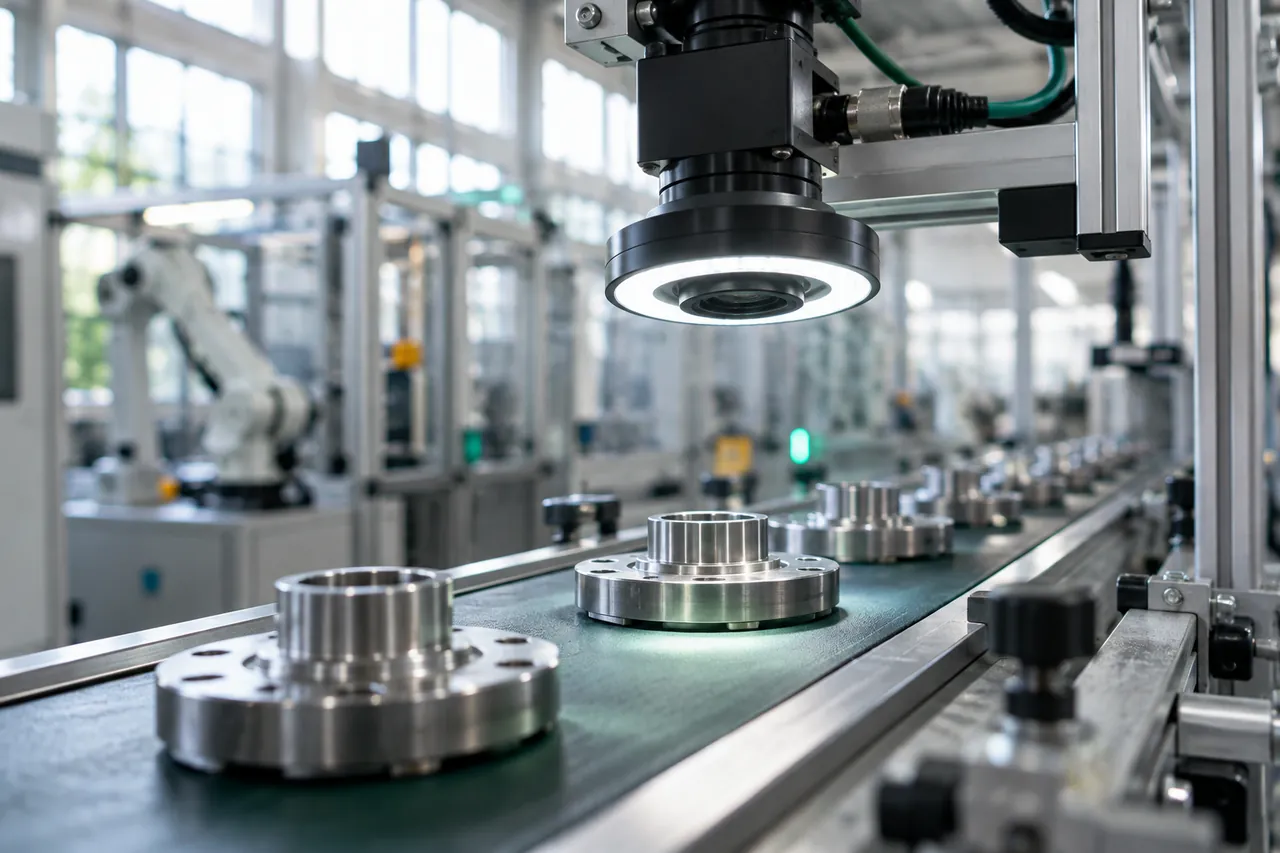
Korea's manufacturing AI transformation policy, M.AX, picked up pace in the second half of 2026. The Ministry of Trade, Industry and Resources aims to reach 220 AI factories by…
EU AI Act Delay and Korea's AI Basic Act in 2026
The EU AI Act's high-risk obligations were due to apply on August 2, 2026. They now apply from December 2, 2027 for standalone high-risk AI and from August 2, 2028 for high-risk…
DCASE 2026 Machine Sound Anomalies in Field Noise
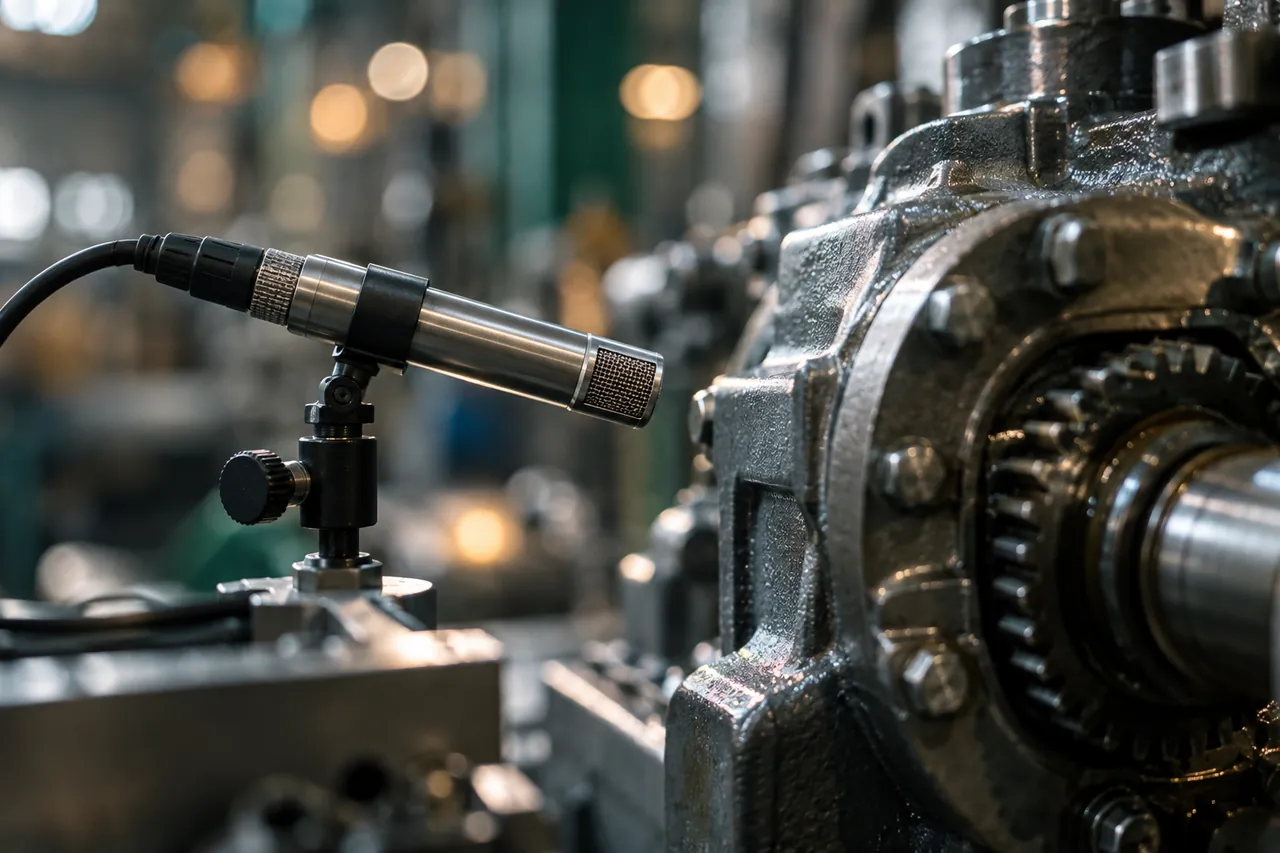
DCASE Task 2, the research challenge on finding machine faults by sound, turned its 2026 edition toward real-world noise. This year's change: two-channel audio recorded at the…
Korea's H1 2026 Work Deaths: Falls Down, Fires Up
Korea recorded 253 investigated workplace accident deaths in the first half of 2026, down 34 (11.8%) from the same period a year earlier. Construction and fall deaths dropped…
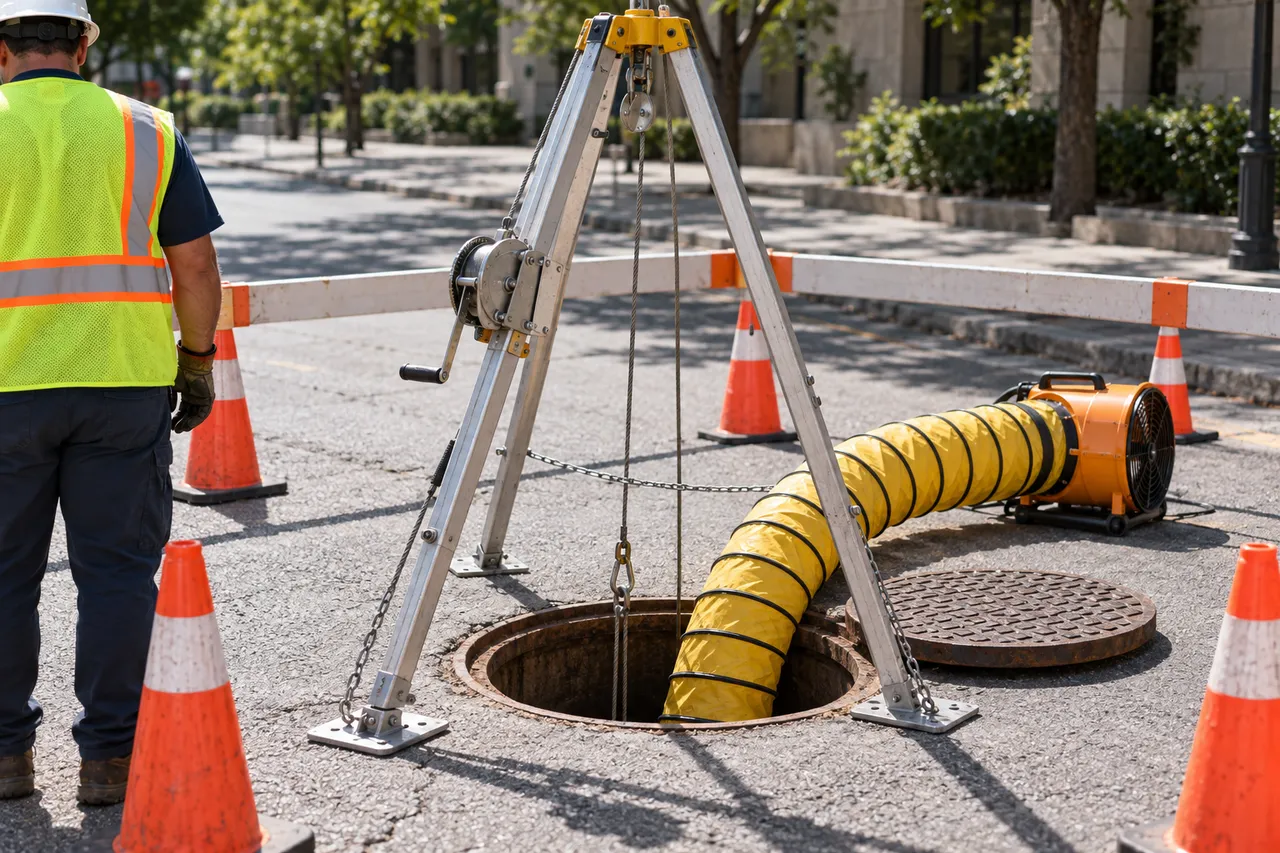
Confined Space Gas Testing Rules and Records
Before work in a confined space, Korean rules require employers to measure oxygen and hazardous gas concentrations and confirm the air is acceptable: oxygen at 18% or more and…
Korea's 2026 Crackdown on Repeat Factory Accidents
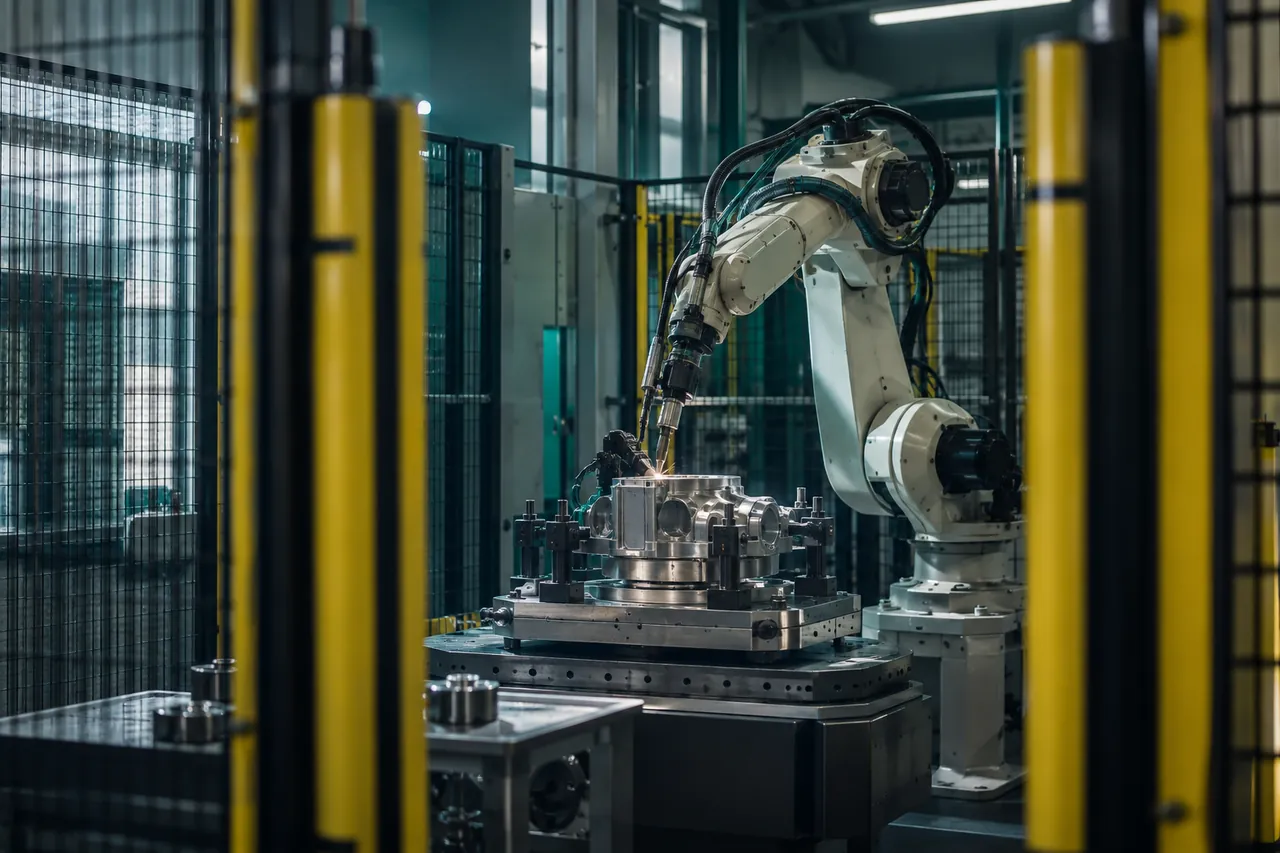
Korea stepped up enforcement against manufacturers where the same type of accident keeps happening at the same workplace, with a run of government measures in July and August…
PHM 2026 Data Challenge: Gear Damage Estimation
The PHM Society's 2026 North America data challenge asks teams to estimate gear tooth damage from inexpensive sensor data. Tooth images are provided only for the training…
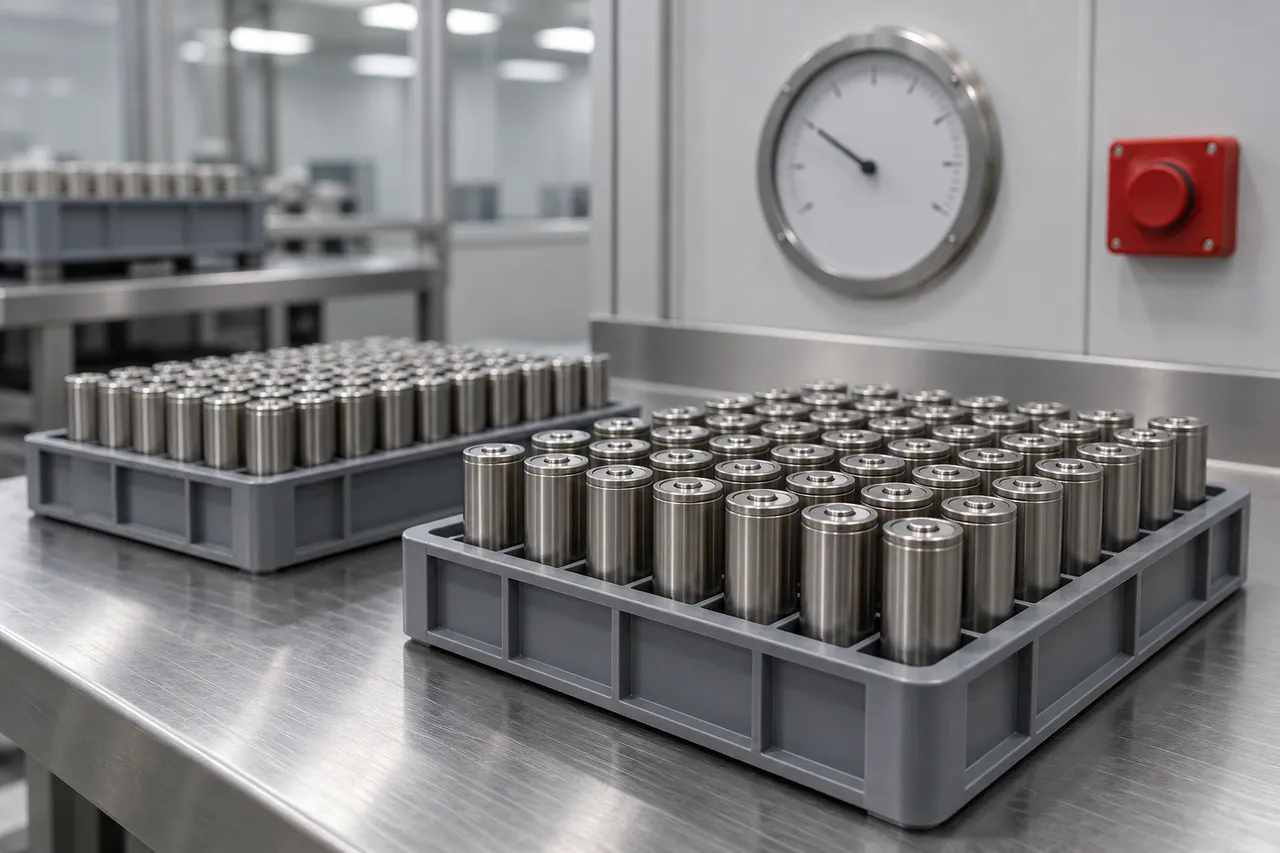
Draft Decree Adds Lithium Primary Batteries to PSM
On July 14, 2026, Korea's Ministry of Employment and Labor (MOEL) issued advance notice of draft amendments to the Enforcement Decree and Enforcement Rule of the Occupational…
Smart Safety Equipment Subsidy 2026: What to Check
Korea's smart safety equipment subsidy accepts applications on a rolling basis in 2026. It covers up to 80% of the agency-assessed cost, capped at KRW 30 million per workplace…
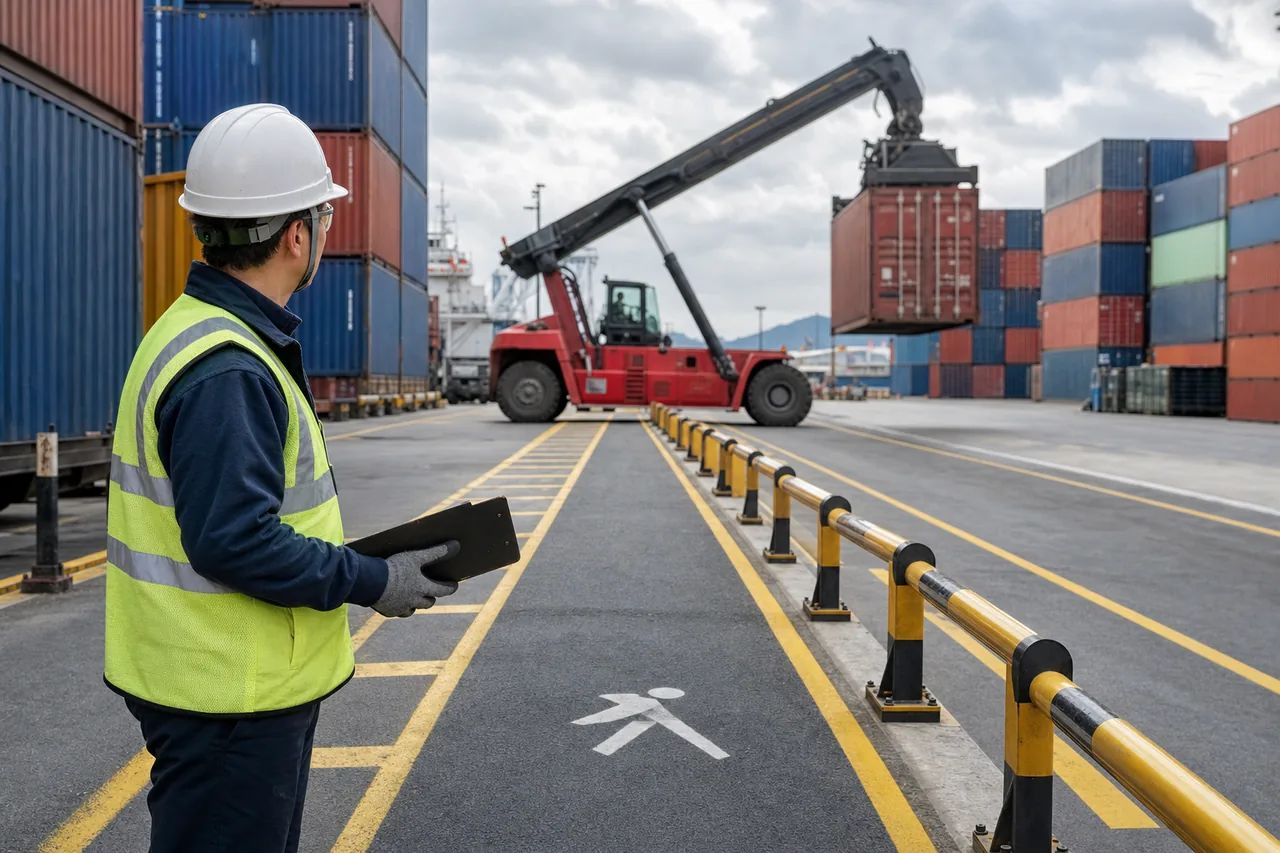
Port Cargo-Handling Accidents and Field Checks
Port cargo handling moves heavy, long cargo with cranes, forklifts, and transport vehicles through the same space where people work on foot, and vessel schedules keep the pace…
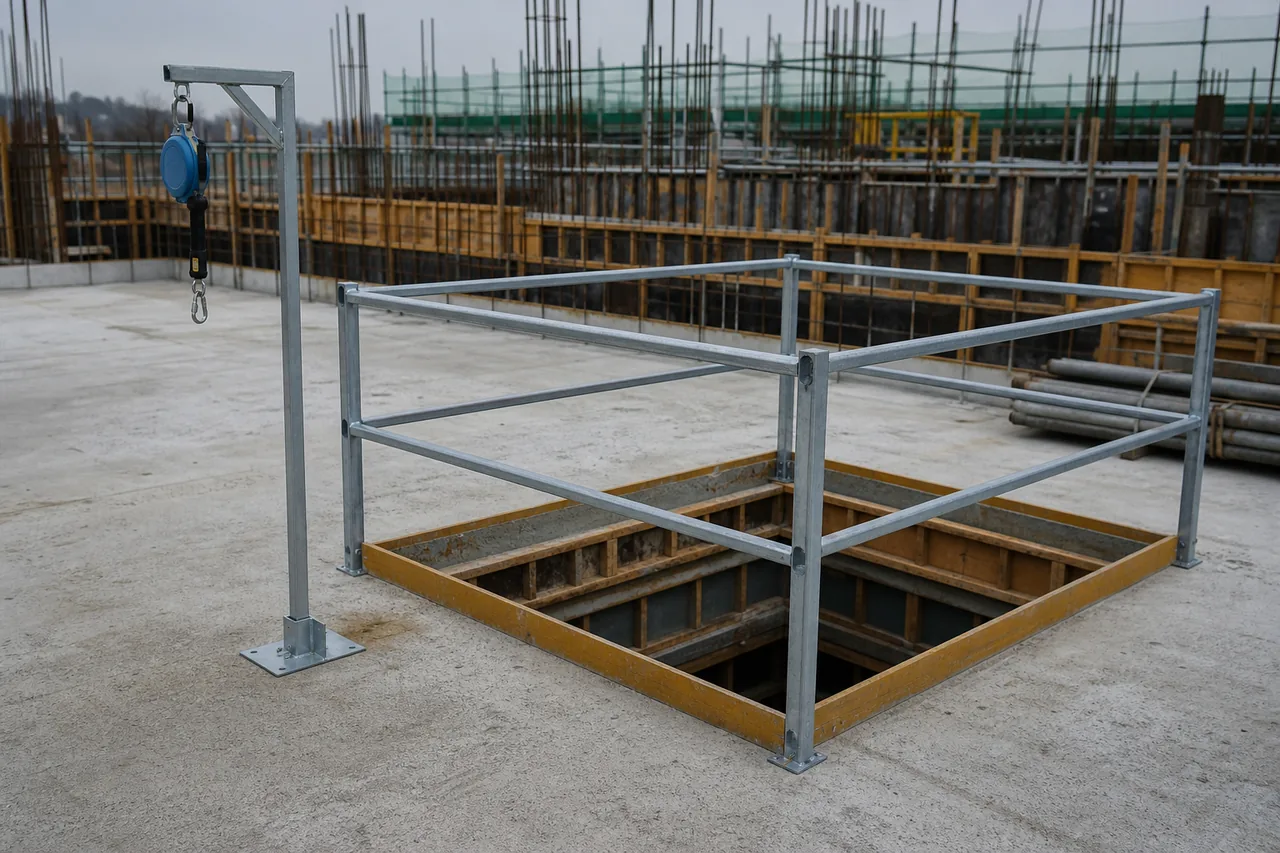
Construction Falls: 2025 Data and the First Ruling
Korea's provisional 2025 count of investigated workplace accident deaths was 605, and construction accounted for 286 of them, the largest share of any industry. Falls rose from…
Serious Accidents Act First Ruling and Article 4
Korea's first conviction under the Serious Accidents Punishment Act came on April 6, 2023. It showed for the first time how a court weighs an executive's duty to secure safety and…
Industrial Monitoring: From PoC to Operations
Moving a monitoring pilot into operations requires alert-review and inspection procedures, plus owners for sensor and system maintenance. Without them, technical validation is…
Where to Process Factory Data: Edge and OT/IT
Choose where to process and store equipment data according to latency and response requirements, network conditions, retention needs, and access control. Use these requirements to…
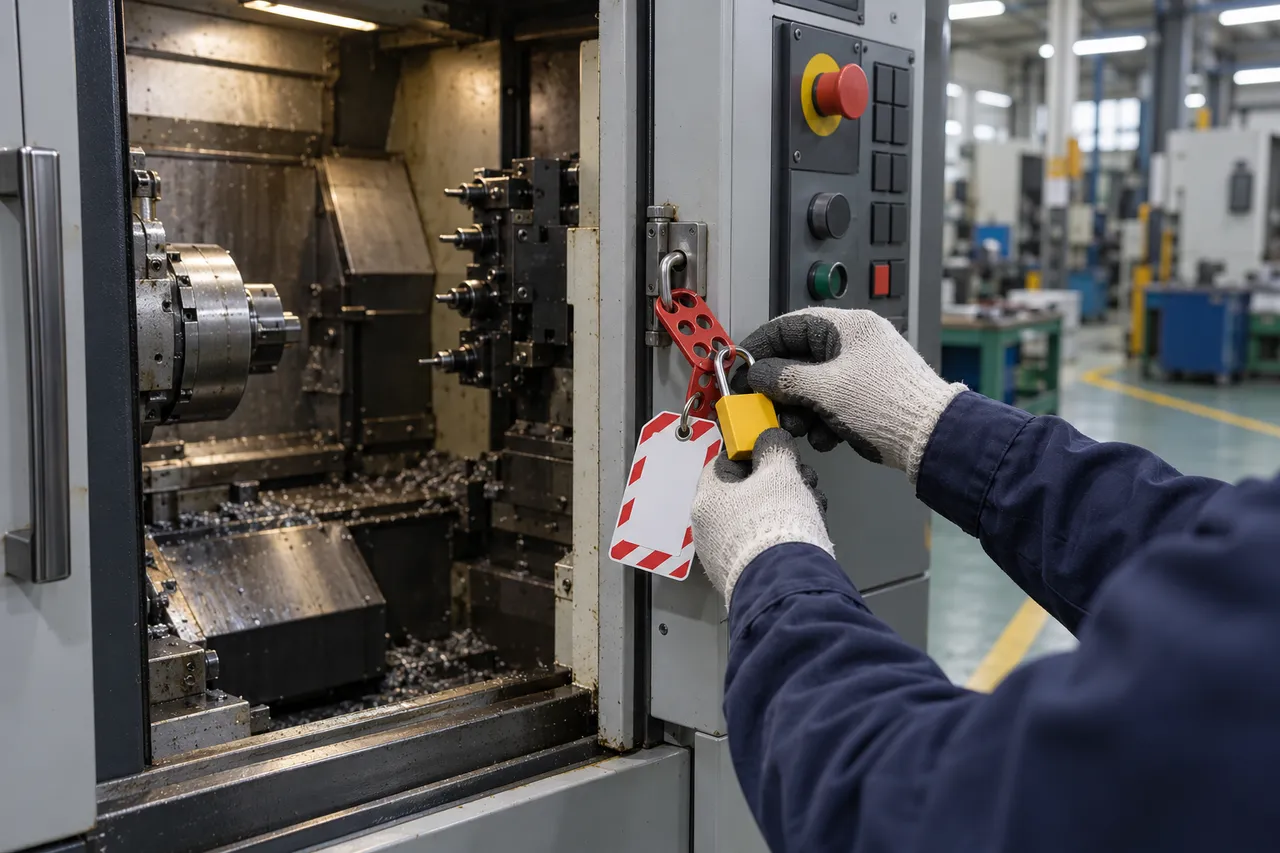
LOTO for Maintenance and Cleaning: Restart Checks
After a machine stops, power can return or stored pressure or gravity can move its parts. A coworker unaware that maintenance is underway may also restart it. Lockout/tagout…
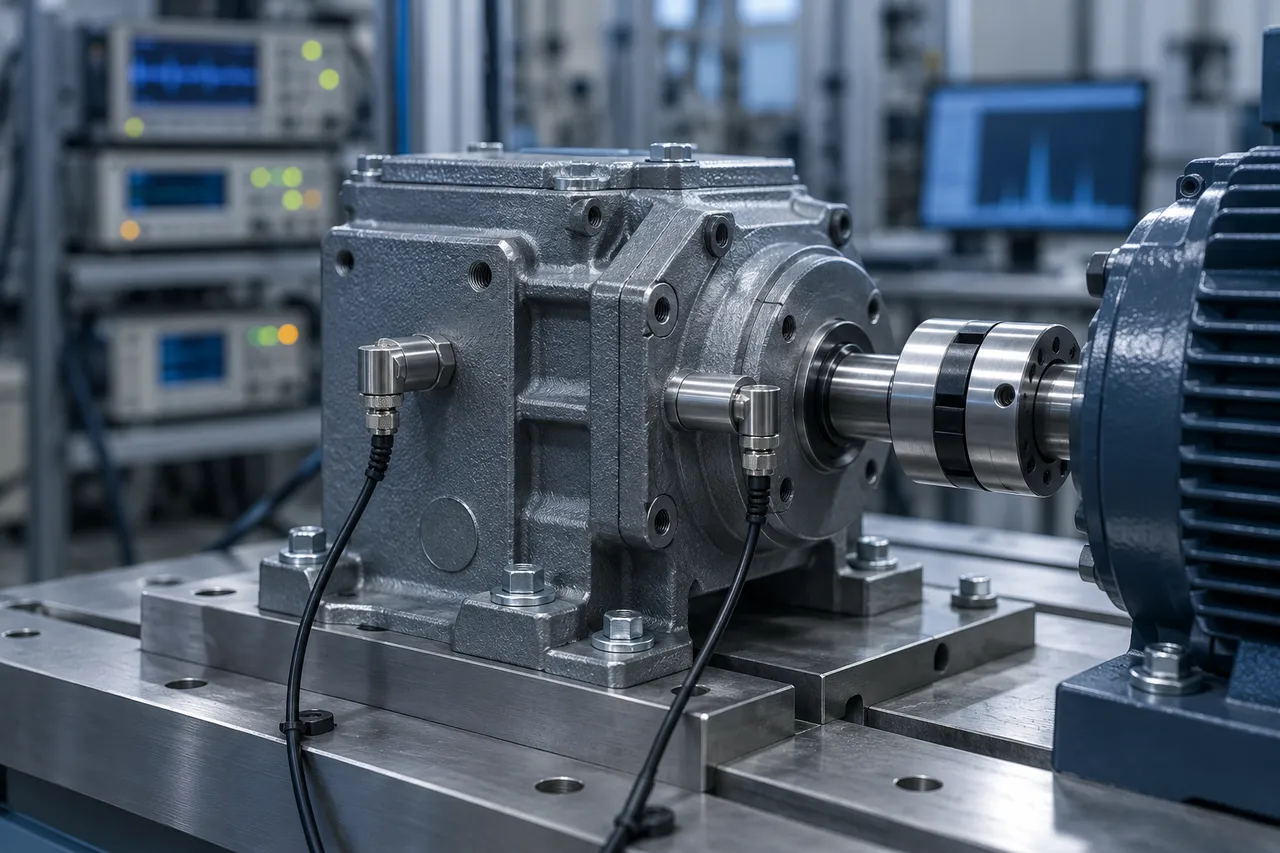
Choosing Between Acoustic and Vibration Monitoring
Choose signals for rotating-equipment monitoring according to the expected change, its location, and the maintenance decision it supports. Neither acoustic nor vibration…
Condition-Based Maintenance: What to Decide First
Before starting condition-based maintenance, define who will make each maintenance decision when a signal changes. Without that decision process, collected data is difficult to…
2026 Safety Inspection Expansion: Equipment First
On June 26, 2026, Korea added certain mixers, crushers, and grinders meeting specified design and size criteria to its mandatory safety inspection program. Update the equipment…